

Table of Contents
- What Makes Daytona Helmets Stand Out
- Daytona Helmet Styles: Full-Face and Half-Shell Options
- DOT Motorcycle Helmet Standards and Daytona Certification
- Motorcycle Helmet Sizing Guide for Daytona Fits
- Impact Protection and Shell Construction
- Comfort Features: Ventilation, Liners, and Retention
- Personalization and Replacement Parts
- Helmet Maintenance and Lifespan
- Frequently Asked Questions
Last Updated: September 22, 2026
What Makes Daytona Helmets Stand Out
Daytona helmets combine retro styling with modern safety standards, delivering the look riders want without sacrificing protection. Daytona helmets appeal to riders who value both aesthetics and substance, they don't force you to choose between vintage charm and contemporary impact protection technology.
What separates Daytona helmets from generic options is the attention to detail. The shell construction uses proven materials designed to absorb impact energy effectively. The retention systems stay secure even at highway speeds, and the ventilation design prevents the heat buildup that makes long rides miserable. For riders seeking a helmet that doesn't look like every other modern design on the road, Daytona offers genuine alternatives.
The Daytona Retro and Retro Jet models stand out for their distinctive trim ring, a design element that became iconic in the brand's lineup. This isn't just cosmetic. The modular construction of certain Daytona models means you can swap components without replacing the entire helmet. The replacement rings, available in seven colors including chrome, gold, and red, let you personalize your lid without major investment. The Daytona Retro Ring in Yellow costs just $17.95 and installs tool-free, making style updates fast and reversible.

Daytona Helmet Styles: Full-Face and Half-Shell Options
Full-face motorcycle headgear represents the most comprehensive protection available. Daytona's full-face designs cover your entire head, jaw, and chin, critical areas in impacts. The chin bar absorbs energy that would otherwise transfer directly to your lower face and neck. Full-face helmets also provide superior wind noise reduction compared to open designs, which matters on longer rides where fatigue affects safety.
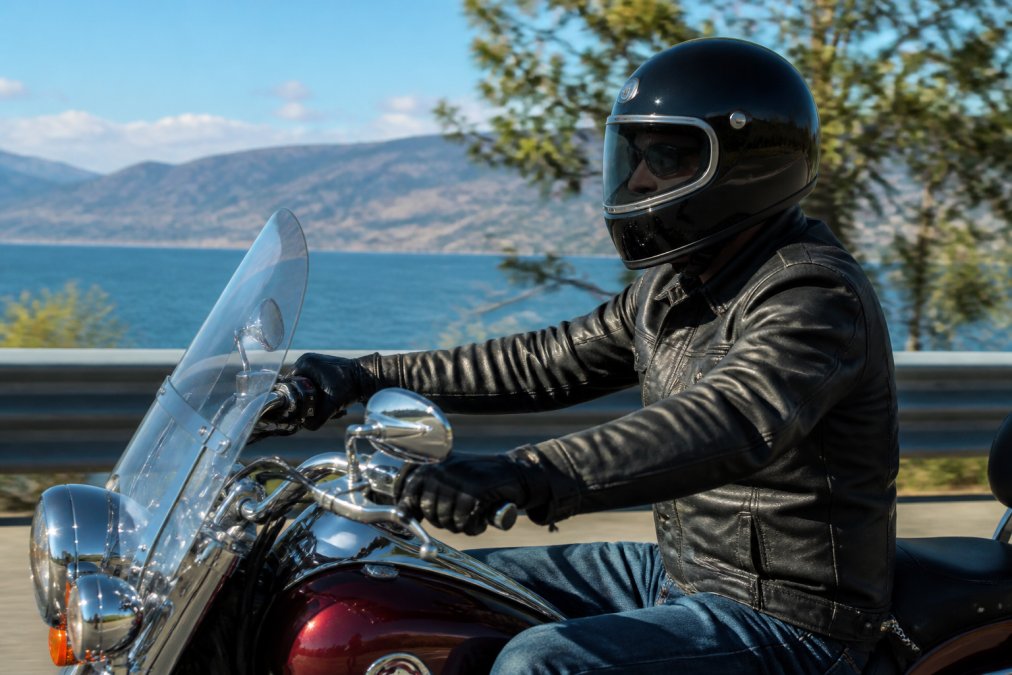
Half-shell and skull cap styles offer lighter weight and better airflow but sacrifice the chin protection that full-face models provide. The trade-off is real: you gain ventilation and a wider field of vision, but you lose jaw and lower-face coverage. Daytona's modular designs split the difference, the chin bar flips up for ventilation during stops, then secures for highway riding. This flexibility appeals to riders who commute in mixed conditions.
| Style | Best For | Key Benefit | Trade-Off |
|---|---|---|---|
| Full-Face | Highway and sport riding | Complete head/jaw protection | Heavier, less ventilation |
| Modular | Commuting and touring | Chin bar flips up | Slightly more complex |
| Half-Shell | Urban riding and cruisers | Lightweight, airflow | No chin protection |
DOT Motorcycle Helmet Standards and Daytona Certification
The Department of Transportation (DOT) sets mandatory safety standards for motorcycle helmets sold in the United States. DOT certification isn't optional, it's the legal baseline. A helmet bearing the DOT sticker has passed impact tests, retention tests, and field-of-vision requirements. The standard tests helmets at specific impact speeds and angles to verify the shell, liner, and retention system work together. While these rigorous safety protocols ensure fundamental protection during an accident, riders often seek out motorcycle performance upgrades to refine the handling and responsiveness of their machines on the road.
Daytona helmets that carry DOT certification have proven their ability to absorb impact energy and stay secured during crashes. The testing process measures deceleration rates, how quickly the helmet slows the head after impact. High deceleration rates mean greater injury risk. DOT-approved helmets must keep deceleration below specific thresholds across multiple impact points.
The distinction matters because safety certifications aren't marketing labels, they're proof that independent labs have verified impact protection. When you purchase a Daytona helmet from The Helmet Shop, verify the certification sticker inside the helmet. A legitimate helmet displays it clearly; counterfeit or substandard helmets often lack proper certification markings.
Motorcycle Helmet Sizing Guide for Daytona Fits
Helmet sizing starts with head circumference. Measure around your head approximately one inch above your eyebrows and ears using a soft measuring tape. Write down the measurement in inches. Most helmets use sizing categories: XS (53-54 cm), S (55-56 cm), M (57-58 cm), L (59-60 cm), XL (61-62 cm), and larger sizes up to 3XL for bigger riders.
Daytona helmets follow standard sizing, but fit varies between models. The Retro and Retro Jet models tend to run slightly roomy compared to sport-oriented designs. If you're between sizes, Daytona's generous liner padding means you might size down. The moisture-wicking liner compresses slightly with wear, so a snug fit on day one becomes comfortable after a few hours of riding.
The retention system, the chin strap and buckle mechanism, must be adjusted correctly. A properly fitted helmet shouldn't shift when you move your head side to side. The chin strap should allow one finger between your chin and the strap when fastened. Too loose and the helmet rotates in a crash; too tight and it restricts blood flow.
Head Shape Compatibility
Head shapes vary significantly. Some riders have round heads; others have oval or long-oval shapes. A helmet that fits a round head perfectly might press uncomfortably on an oval-shaped head's temples. Daytona helmets accommodate multiple head shapes because the EPS liner and shell geometry work together to distribute pressure evenly.
If you have a longer oval head, look for Daytona models with extended side padding. The liner thickness varies in different sections, thicker at the sides for round heads, distributed more evenly for oval shapes. Try the helmet on before committing. Many riders discover their ideal fit only after wearing different models. Our 30-day return policy means you can order multiple sizes, find the one that works, and return the rest without penalty.
Impact Protection and Shell Construction
Daytona helmets use either polycarbonate or fiberglass composite shells. Polycarbonate offers lighter weight and excellent impact absorption at a lower price point. Fiberglass and carbon fiber shells cost more but provide superior strength-to-weight ratios.
The EPS liner inside the shell does the actual work of absorbing impact energy (pubmed.ncbi.nlm.nih.gov). This expanded polystyrene foam compresses during a crash, converting kinetic energy into heat and deformation. The liner is designed to crush only once, after a significant impact, the helmet's protective capability is compromised even if it looks undamaged externally. This is why replacing a helmet after any hard crash is essential, regardless of visible damage.
The shell integrity depends on how well the inner liner bonds to the outer shell. Poor bonding allows the liner to shift during impact, reducing protection.
Comfort Features: Ventilation, Liners, and Retention
Ventilation systems prevent heat and moisture buildup during rides. Daytona helmets feature front intake vents and rear exhaust vents that create airflow across your head without requiring movement. On hot days, this makes the difference between comfortable riding and dangerous heat exhaustion. The aerodynamic styling of Daytona models means vents are positioned to catch air naturally without creating wind noise.
| Feature | Benefit | Impact on Comfort |
|---|---|---|
| Front/Rear Vents | Airflow circulation | Reduces heat buildup significantly |
| Moisture-Wicking Liner | Sweat management | Prevents discomfort on long rides |
| Removable Liner | Easy cleaning | Extends helmet life and hygiene |
| Quick-Release Buckle | Fast adjustment | Saves time on commutes |
Personalization and Replacement Parts
The Daytona Retro design's signature trim ring opens possibilities for personalization that most helmets don't offer. The replacement rings snap into place without tools, letting you swap colors to match your bike's current paint scheme or your mood. Available in blue, white, chrome, gold, grey, red, and yellow, these rings cost just $17.95 each, affordable enough to keep multiple options on hand.

Helmet Maintenance and Lifespan
A motorcycle helmet's protective lifespan is typically three to five years, even with perfect care. The EPS liner degrades gradually from UV exposure and normal use, losing effectiveness over time. If you ride frequently, plan to replace your helmet every three years. Casual riders might extend this to five years, but don't exceed that window regardless of the helmet's appearance.
Frequently Asked Questions
Are Daytona helmets DOT approved?
Yes, Daytona helmets are DOT-approved, meaning they meet the safety standards set by the Department of Transportation. DOT certification requires helmets to pass impact tests and demonstrate adequate shell integrity. When shopping for Daytona helmets, verify the DOT sticker inside the helmet to confirm compliance before purchase.
What is the correct motorcycle helmet sizing guide for Daytona?
Daytona helmets are sized by head circumference in inches. Measure around your head just above your eyebrows and ears using a soft measuring tape. Daytona offers sizes from XS to 3XL. The helmet should fit snugly without gaps, with the cheek pads touching your face but not painfully tight. Refer to Daytona's specific size chart, as sizing varies between models.
What makes Daytona helmets popular for cruiser riders?
Daytona helmets are known for their retro aesthetic, which complements cruiser styling perfectly. They offer a blend of classic design with modern safety features, including DOT certification and impact-absorbing EPS liners. Many cruiser riders appreciate the comfortable fit for relaxed riding positions and the availability of half-shell and full-face options that suit different preferences.
How often should I replace my motorcycle helmet?
Replace your helmet every 3 to 5 years, even if it appears undamaged. The EPS foam liner degrades over time with exposure to sunlight, heat, and humidity, reducing its ability to absorb impact. Replace immediately after any significant impact or crash, even if external damage is minimal. Regular inspection of the shell and liner helps you identify when replacement is needed.
Do Daytona helmets come with Bluetooth compatibility?
Standard Daytona helmets do not include built-in Bluetooth, but they are compatible with aftermarket communication systems. The Helmet Shop specializes in bluetooth headsets and offers several helmets with the Bluetooth headsets pre-installed and ready to go, which can be integrated into your helmet for rider-to-rider communication and hands-free calling.


