

Spending more on a premium brand doesn't always guarantee a safer or more comfortable ride. Many riders assume that choosing mid-range gear requires a compromise between bone-dry waterproofing and professional-grade impact protection. This Tourmaster jackets review explores how the brand has evolved from a budget staple into a technical powerhouse. It's frustrating to deal with "waterproof" gear that causes overheating or a bulky fit that catches the wind at highway speeds. You deserve gear that handles all four seasons while providing genuine, professional-grade abrasion resistance.
We'll provide an expert breakdown of the latest lineup to help you find the ideal balance of technical protection and touring comfort. This guide covers the shift toward breathable laminated shells and the integration of CE Level 2 armor in flagship models like the Highlander WP. You'll also find a reliable fit guide to navigate the brand's signature "American Cut" and avoid the hassle of returns. We're diving into the materials, safety ratings, and ventilation features that define the 2026 collection to ensure your next ride is your most comfortable one yet.
Key Takeaways
- Understand how Armanox impact protection and 1000D reinforcements provide professional-grade safety without the premium price tag.
- Compare the 4-season versatility of the Highlander WP with the lightweight, zip-off flexibility of the Adventure Lite series.
- Master the "American Cut" by learning when to size down so your gear doesn't flap at highway speeds.
- This Tourmaster jackets review breaks down the long-term value of their 4-year warranty and how to maintain waterproof laminates.
- Discover why 11 distinct sizing options make this brand a leader in providing a reliable fit for every touring rider.
Tourmaster Jackets: Why This Brand Dominates the Mid-Range Market
Tourmaster dominates the mid-range market for a reason. Their 2026 philosophy blends high-level technical performance with the specific comfort needs of American touring riders. This Tourmaster jackets review examines how the brand provides premium features without the elite price tag. They don't just sell apparel; they provide a reliable solution for riders who spend eight hours a day in the saddle. The brand has successfully transitioned from being a budget-friendly option to a technical leader in the touring community.
Sizing remains one of their greatest competitive advantages. While many European manufacturers offer a limited range of five or six sizes, Tourmaster provides up to 11 sizing options per model. This includes regular, tall, and short variations. A precise fit is vital because it ensures that impact armor stays exactly where it belongs during a slide. Their reputation for value is now backed by 1000D high-denier panels on shoulders and elbows. These heavy-duty materials are essential components of modern motorcycle personal protective equipment, offering superior abrasion resistance compared to standard polyester shells.
Safety isn't just about one piece of gear. It's about how your entire kit works together to protect you. Think of your jacket as the core of a complete safety system that includes your helmet, gloves, and boots. You can learn more about building a full protective kit in our motorcycle gear guide. Tourmaster designs their gear to integrate seamlessly with standard touring pants, creating a unified barrier against the elements and the road.
The 2026 Evolution: Quality Over Quantity
Tourmaster has moved away from the "boxy" fits of the past. The 2026 lineup features more modern, contoured cuts that reduce wind flapping at highway speeds. The biggest technical shift is the move toward fully laminated shells. Unlike older designs with hanging waterproof liners, laminated shells prevent the outer fabric from soaking up water. This keeps the jacket light and breathable even in a heavy downpour. It's why Tourmaster remains a staple for national-level touring riders who face unpredictable weather across multiple states.
Tourmaster vs. The Competition
Many riders compare Tourmaster to its sister brand, Cortech. While Cortech often focuses on aggressive, sport-oriented gear with a tighter fit, Tourmaster prioritizes long-haul comfort and utility. The brand's commitment to the rider is evident in their standard features. Most models include full-sleeve thermal liners at no extra cost. This contrasts with premium competitors that often charge extra for cold-weather layers. Tourmaster builds gear for the rider who values practical, dependable performance over flashy track aesthetics. They focus on what works for the thousand-mile journey.
Technical Specs Review: Armor, Abrasion, and Weatherproofing
Understanding the technical architecture of your gear is the only way to ensure you're protected during a long-distance tour. In this Tourmaster jackets review, we're looking closely at the 2026 technology suite that sets these garments apart from entry-level alternatives. Tourmaster has standardized high-grade materials across their lineup, focusing on three core pillars: impact management, abrasion resistance, and moisture control. When you're hundreds of miles from home, these specs become the difference between a minor incident and a trip-ending event.
The foundation of their 2026 safety system is Armanox® armor. This material is designed to remain soft and flexible during normal use but hardens instantly upon impact to disperse energy. Unlike cheaper plastic protectors that can become brittle in cold weather, Armanox maintains its integrity across a wide temperature range. This flexibility allows for a more natural range of motion, which reduces rider fatigue during long days on the bike. If you're looking to upgrade your current setup, you can explore our full collection of motorcycle jackets to see these safety features in person.
Impact Protection: CE Level 1 vs. Level 2
Tourmaster differentiates its models by the level of protection provided. The Highlander WP comes standard with CE Level 2 Safe-Tech armor in the shoulders and elbows, providing the highest level of certified impact protection for touring. The Adventure Lite series utilizes CE Level 1 Armanox® armor to maintain a lighter weight and better airflow. One critical point for every rider: most models include a removable EVA foam back pad. While this provides a basic shape, it isn't a rated safety device. We always recommend replacing this foam with a dedicated CE-certified back insert for complete spinal protection.
Abrasion Resistance and Laminates
Impact protection is only half the battle; you also need a shell that won't shred during a slide. Tourmaster uses 1000D nylon ripstop reinforcements on high-impact zones like the shoulders, elbows, and forearms. This high-denier fabric is non-negotiable for serious touring gear. In 2026, the brand has also introduced the TSGS F27108 ultra-abrasion-resistant laminate in specific stress areas. This tech works alongside 4-way stretch panels to give you mobility without sacrificing tear resistance.
Weatherproofing has also seen a major upgrade. The move toward seam-taped, laminated shells is the gold standard for 2026. Traditional drop-liners often lead to a "heavy" feeling as the outer shell soaks up water. Laminated shells prevent this by stopping water at the outermost layer. To manage heat, Tourmaster uses waterproof zippers on chest intakes and upper back vents. This creates a functional airflow system that keeps you cool in the summer without leaking when the clouds open up.
- 1000D Reinforcements: High-density fabric on impact zones.
- Laminated Shells: Superior waterproofing that stays lightweight.
- Armanox® Armor: Flexible, temperature-stable impact protection.
- Venting: Seam-sealed zippers for controlled airflow.
Top-Rated Models: Highlander WP vs. Adventure Lite Series
Choosing the right gear depends entirely on where you plan to ride. While both models offer the technical protection discussed earlier, they serve different masters. This Tourmaster jackets review highlights the clear distinction between the pavement-focused Highlander WP and the trail-ready Adventure Lite. Understanding these differences ensures you don't end up with a jacket that feels restrictive on the trail or under-insulated on the highway. Both models represent the brand's commitment to mid-range excellence, but their features are tuned for specific environments.
The Highlander WP is designed for the upright, stationary position of a touring bike. It prioritizes weather protection and thermal regulation. In contrast, the Adventure Lite is built for the active, high-energy movement required by dual-sport riding. These jackets are excellent for three-season utility, but they also pair perfectly with mesh motorcycle jackets to complete your year-round gear closet. While the Highlander blocks the wind, a dedicated mesh option is still king for those triple-digit summer days.
The Highlander WP: Built for the Long Haul
The Highlander WP is the definitive 4-season touring workhorse. It features a full-sleeve thermal liner that provides significant warmth during late-season rides. One of its strongest selling points is the 11-size range. This includes dedicated tall versions, which are a lifesaver for lanky riders who often find standard sleeves too short. The shell features a water-resistant coating that causes spring showers to bead off instantly. For 2026, the olive colorway with hi-viz accents has become a favorite. It offers high visibility for safety without the neon-yellow look of traditional commuter gear.
The Adventure Lite: Versatility for the Trail
The Adventure Lite series is the versatile choice for ADV riders. Its most distinctive feature is the zip-off sleeves. This allows you to transform the jacket into a protective vest during technical off-road sections where you need maximum mobility and cooling. Unlike the Highlander, it lacks a built-in thermal liner. Most adventure riders prefer this "no-liner" design because it allows them to use their own technical base layers. Storage is another area where this model shines. It features a spacious rear zippered storage pouch that is perfect for carrying extra gloves, tire irons, or small tools during a backcountry excursion.
- Highlander WP: Best for long-distance touring, includes thermal liner, and offers extensive sizing.
- Adventure Lite: Best for off-road and ADV use, features zip-off sleeves, and modular layering.
- Pocket Layouts: Highlander focuses on easy-access chest pockets; Adventure Lite adds heavy-duty rear storage.
- Riding Position: Highlander is cut for comfort while seated; Adventure Lite allows for frequent standing and movement.
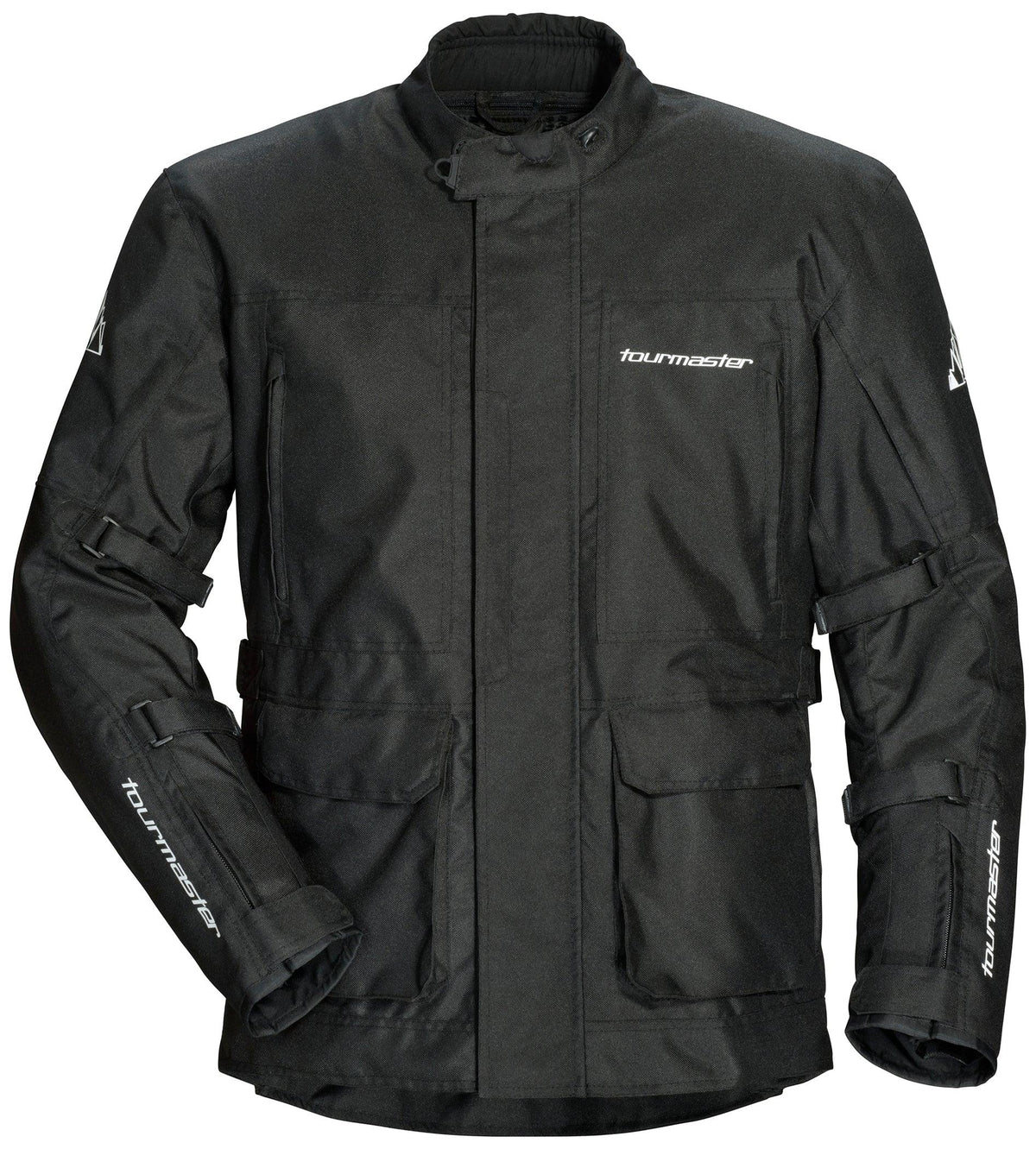
The Tourmaster Fitment Guide: Solving the Sizing Mystery
Tourmaster designs gear specifically for the American rider. This means their "American Cut" is significantly more generous than the slim, tailored fit found in European brands like Alpinestars or Dainese. In this Tourmaster jackets review, we emphasize that a "Large" in one brand is not universal. Tourmaster gear provides extra room in the chest, shoulders, and waist to accommodate layering or a more relaxed physique. While this adds comfort, it also creates a sizing mystery for riders used to more athletic cuts. You don't want a jacket that feels like a sail when you're cruising at 70 mph.
The "Size Down" rule is a common recommendation among experienced touring riders. If you typically sit between sizes or prefer a snug, non-flapping fit, choosing one size smaller than your usual measurement is often the correct move. For example, a rider who wears an XL in most brands will frequently find a Tourmaster Large provides a better seal against the wind. This ensures the armor stays properly positioned during a ride. To find your perfect fit, shop our full selection of motorcycle jackets and compare sizing charts across brands.
How to Measure Your Chest and Sleeve
Accurate measurements are the only way to avoid the hassle of a return. Use a soft tape measure to find the widest part of your chest, keeping the tape parallel to the floor. For sleeve length, measure from the center back of your neck, over the shoulder, and down to the wrist bone. If you plan to wear an under-jacket airbag vest, perform the "Airbag Test." Ensure you have at least two to three inches of extra room in the chest to allow for deployment. Finally, use the "pinch test" at the elbows. You shouldn't be able to rotate the armor away from your joint with more than an inch of play.
Managing Fabric Flap at High Speeds
A loose jacket becomes a liability at highway speeds. Excessive fabric creates drag and causes the jacket to flap, which leads to rider fatigue. Tourmaster addresses this with multi-point adjustability. Use the sleeve take-up straps on the forearms and bicep to cinch the fabric against your arms. This secures the internal armor and streamlines your profile. Integrated 4-way stretch panels help the jacket maintain a modern shape without feeling restrictive during active riding. For riders with "tall and slender" builds, the Medium-Tall or Large-Tall options provide the necessary sleeve length without the excessive torso bulk of a standard XL.
Long-Term Value and Buying from a Trusted National Source
Investing in quality gear is about more than the initial purchase. It's about how that gear performs over thousands of miles and several seasons of unpredictable weather. This Tourmaster jackets review concludes that the brand offers exceptional long-term value through durable construction and a robust support system. Tourmaster stands behind its 2026 lineup with a 4-year warranty. This covers manufacturing defects and material failures, providing peace of mind for riders who depend on their gear for daily commuting or cross-country tours. It's a clear signal that the brand believes in the longevity of its laminated shells and reinforced stitching.
Caring for Your Technical Shell
Proper maintenance is the key to preserving the life of your waterproof membrane. Road grime, salt, and oil can clog the pores of technical fabrics, which reduces their breathability. Always remove the Armanox® armor and thermal liners before washing. Use a technical detergent specifically designed for outdoor gear rather than standard laundry soaps. Standard soaps often contain surfactants that can damage the waterproof laminate. After several seasons, the factory-applied DWR (Durable Water Repellent) coating may begin to wear off. You'll notice water soaking into the outer fabric rather than beading off. Re-apply a spray-on DWR treatment after a thorough cleaning to restore that "like-new" performance. During the off-season, store your jacket on a wide, padded hanger in a cool, dry place to maintain the shape of the internal protectors.
Why Shop with The Helmet Shop?
Selecting the right gear requires expertise and a wide inventory. Buying from an authorized national dealer like The Helmet Shop ensures you receive the latest 2026 editions with all current safety updates. Our staff understands the fitment nuances of national brands and can guide you through the sizing mystery. We offer a curated selection of equipment, including Shoei helmets, to help you build a complete, high-performance kit. With quick national shipping and a hassle-free return policy, you can exchange sizes without stress. We prioritize customer satisfaction and long-term relationships over quick sales.
The final verdict is clear. A Tourmaster jacket is best for the rider who values practical, high-performance features without the luxury markup of European brands. Whether you choose the 4-season Highlander WP or the trail-ready Adventure Lite, you're getting a technical garment designed to keep you safe and comfortable. It's a reliable choice for the seasoned veteran and the newcomer alike. This Tourmaster jackets review confirms that the brand has successfully balanced technical protection with touring comfort for the 2026 season.
Gear Up for Your Next Long-Distance Adventure
Finding the right balance between technical protection and touring comfort is essential for any serious rider. This Tourmaster jackets review has highlighted how the 2026 lineup sets a new standard for mid-range gear through laminated shells and temperature-stable Armanox armor. Whether you choose the insulated Highlander WP for cross-country tours or the modular Adventure Lite for technical trails, you're investing in a system designed for longevity and safety. Remember to utilize the adjustability features and the "size down" rule to ensure your gear performs perfectly at highway speeds.
As an authorized national dealer for Tourmaster and Cortech, we carry a comprehensive 2026 inventory in every size and colorway. Our staff consists of seasoned riders who provide expert fitment advice to help you navigate the "American Cut" with ease. We're here to ensure you find the perfect fit before you hit the road. Browse our full collection of Tourmaster touring and adventure jackets to see the latest technical innovations in person. We look forward to helping you prepare for your next great journey with gear you can trust.
Frequently Asked Questions
Do Tourmaster jackets run large or small?
Tourmaster jackets typically run large due to their "American Cut" design. Most riders find they need to size down by one full size to achieve a secure fit that doesn't flap at highway speeds. If you are between sizes, the smaller option is usually the better choice for maintaining proper armor placement during a ride.
Are Tourmaster jackets actually waterproof in heavy rain?
Yes, the 2026 models with laminated shells are highly effective in heavy rain. Unlike older designs with separate drop-liners, these jackets stop water at the outer layer to prevent the fabric from becoming heavy and waterlogged. Seam-taping and waterproof zippers further enhance this protection during long-distance tours in unpredictable weather.
What is the difference between Tourmaster and Cortech jackets?
Tourmaster focuses on long-distance touring comfort and a relaxed fit, while Cortech is designed for sportier, more aggressive riding. This Tourmaster jackets review notes that Tourmaster offers more generous sizing and utility features like extra storage. Cortech gear typically features a more tapered, "European-style" silhouette for a snugger fit on the bike.
Can I upgrade the armor in my Tourmaster jacket to CE Level 2?
You can definitely upgrade your armor to CE Level 2 if your specific model didn't come with it standard. The internal pockets are designed to accept most universal CE-rated inserts from Safe-Tech or Armanox. Upgrading the back pad is especially recommended since many models ship with a non-rated foam piece that offers minimal impact protection.
How do I clean my Tourmaster textile jacket?
Clean your textile jacket by removing all armor and liners first. Use a mild technical wash designed for waterproof membranes rather than standard household detergents which can clog the fabric pores. Hand washing in a tub or using a front-loading machine on a gentle cycle is best. Always air dry your gear away from direct heat sources.
Does Tourmaster offer jackets for tall riders?
Yes, Tourmaster is one of the few brands that offers dedicated tall sizes across their flagship models. These versions provide extra length in the sleeves and torso without adding unnecessary bulk to the chest. This makes them an ideal choice for lanky riders who often find that standard sizing leaves their wrists or lower back exposed.
Are Tourmaster jackets compatible with motorcycle airbag vests?
Tourmaster jackets are compatible with most under-jacket airbag vests as long as there is sufficient expansion room. You should have at least two to three inches of extra space in the chest and waist area. This ensures the airbag has room to deploy fully without causing injury to the rider or damaging the jacket's structural seams.
What is the best Tourmaster jacket for adventure riding?
The Adventure Lite series is the premier choice for adventure riding. Its zip-off sleeves and lightweight construction make it perfect for technical off-road sections where mobility and cooling are key. The lack of a built-in thermal liner allows ADV riders to use their own modular layering systems to match changing trail conditions.


