

Table of Contents
- Modular Helmets for Touring: What Sets Them Apart
- Quick Comparison Table
-
Top Modular Helmets Ranked for 2026
- 1. SHOEI NEOTEC 3: Premium Wind Tunnel Engineering
- 2. HJC RPHA 91: The Quietest Flip-Front for Highway Miles
- 3. HJC RPHA 91 Carbon: Lightweight Carbon Shell Certification
- 4. Scorpion EXO EXO-GT930 Transformer: Best Value for All-Day Comfort
- 5. HJC i91: Mid-Range Touring Versatility
- 6. HJC F100: Adventure Touring with Peak Visor
- 7. HJC i100: Everyday Touring Without the Premium Price
- Modular Helmet Safety Ratings and DOT Certification
- Modular Helmet Fit Guide: Head Shape and Sizing
- Modular Helmet with Bluetooth: Communication Systems
- Quiet Motorcycle Helmet for Touring: Noise Reduction Features
- How We Evaluated These Helmets
- Frequently Asked Questions
Last Updated: October 5, 2026
Modular Helmets for Touring: What Sets Them Apart
A modular helmet flips open at the chin bar, transforming from full-face to open-face in seconds, so you can talk at rest stops, drink on the highway, or switch to adventure terrain without swapping gear. At The Helmet Shop, the difference between a good modular and a great one comes down to wind noise, chin bar operation, and how the flip mechanism works under gloves.
The best modular helmets for touring 2026 balance three demands: aerodynamic stability at highway speeds, a chin bar that works smoothly in cold weather, and all-day ventilation.
Quick Comparison Table
| Helmet | Price | Best For | Key Strength | Shell Type |
|---|---|---|---|---|
| SHOEI NEOTEC 3 | $949.99 | Premium touring | Wind tunnel aerodynamics, lowest buffeting | AIM+ composite |
| HJC RPHA 91 | $589.99 | Serious touring | Quietest flip-front, refined finish | PIM EVO composite |
| HJC RPHA 91 Carbon | $769.99 | Weight-conscious | Carbon fiber + quiet, dual DOT/ECE cert | PIM EVO Carbon |
| Scorpion EXO GT930 | $274.95 | Budget touring | Real value, proven reliability | Polycarbonate |
| HJC i91 | $269.99 | Mid-range touring | Feature-rich, glove-friendly controls | Polycarbonate |
| HJC F100 | $429.99 | Adventure touring | Peak visor, removable chin bar | Fiberglass composite |
| HJC i100 | $359.99 | Everyday touring | Balanced features, Bluetooth ready | Polycarbonate |
Top Modular Helmets Ranked for 2026
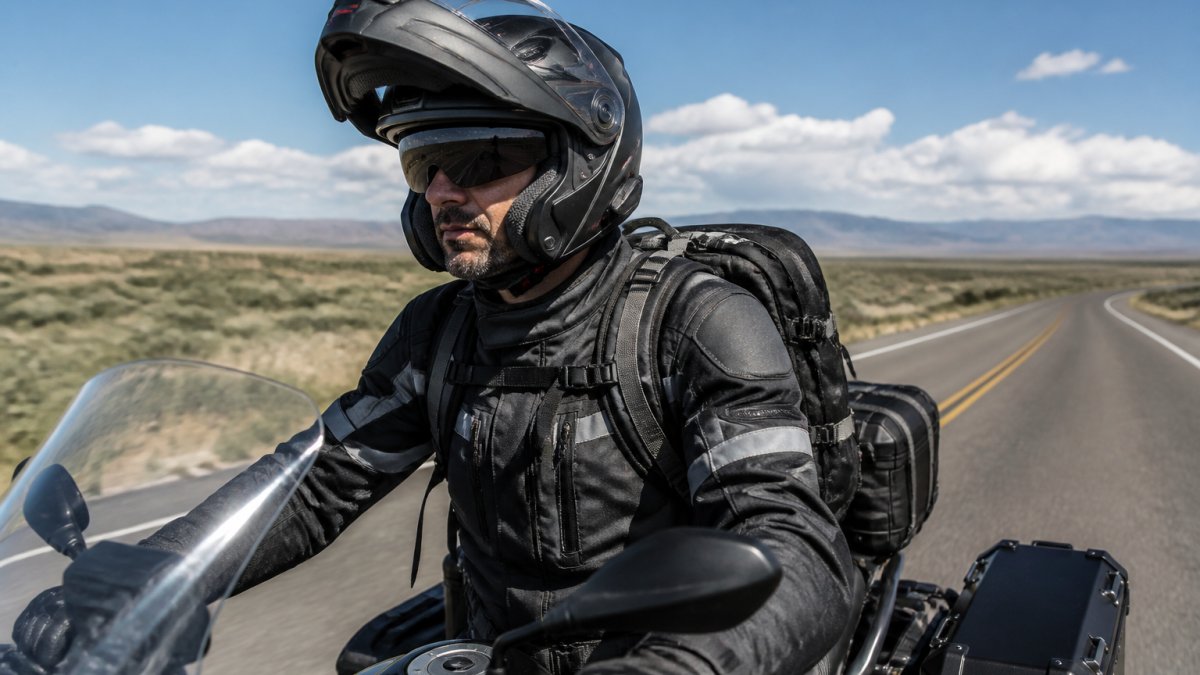
1. SHOEI NEOTEC 3: Premium Wind Tunnel Engineering
The SHOEI NEOTEC 3 is the finest modular helmet we carry for serious touring. Wind tunnel-engineered aerodynamics deliver a tighter seal and reduced buffeting versus previous generations, which riders notice as less wind noise and a more stable feel.

The AIM+ multi-ply composite shell is made to SHOEI's race-helmet standard. The dual-function flip-up chin bar uses an eccentric rotation axis that prevents shell interference and locks in two open positions.
Compatible with Sena SRL3 communication systems (sold separately), the Neotec 3 integrates Bluetooth for hands-free calling and intercom.
2. HJC RPHA 91: The Quietest Flip-Front for Highway Miles
The HJC RPHA 91 Solid at $589.99 is HJC's flagship touring modular, independently tested as one of the quietest flip-front helmets available.
The PIM EVO shell blends carbon-aramid, carbon, glass, organic non-woven, and natural linen fibers for enhanced shock resistance at low weight. The single-button chin bar release is smooth and glove-friendly even in winter.
SMART HJC Bluetooth 2nd Generation compatible, so you can add communication later without replacing the helmet. Eyebrow vents act as defogging and ventilation channels, keeping vision clear in variable conditions.
3. HJC RPHA 91 Carbon: Lightweight Carbon Shell Certification
The HJC RPHA 91 Carbon Elig at $769.99 takes the quietest-tested modular in HJC's lineup and builds it on a full carbon fiber shell.
The PIM EVO Carbon shell uses carbon and carbon-glass hybrid fabric for enhanced shock resistance at a significantly lighter weight than composite alternatives.
An integrated drop-down sun visor, Pinlock 120XLT insert, and premium RPHA interior with moisture-wicking antibacterial removable washable pads round out a top-tier feature set. SMART HJC Bluetooth 2nd Gen ready.
4. Scorpion EXO EXO-GT930 Transformer: Best Value for All-Day Comfort
The Scorpion EXO EXO-GT930 Transformer at $274.95 is a great value modular for touring on a budget. DOT-218 and ECE certified, it delivers proven quality and real comfort without the premium price.
The removable chin bar flips up for open-face touring or comes off entirely for adventure riding.
Backed by Scorpion's 5-year warranty, the GT930 Transformer is among our most consistent recommendations for riders who want proven quality and genuine value.
5. HJC i91: Mid-Range Touring Versatility
The HJC i91 Solid at $269.99 is a feature-rich modular delivering DOT and ECE 22.06 certified protection in a polycarbonate ABS composite shell. Designed for touring and cruising riders, it's lightweight with a CAD-engineered fit.
The one-touch chin bar release is glove-friendly, and the integrated sun visor deploys in a single motion.
SMART HJC Bluetooth ready, the i91 sits in the sweet spot for riders who want HJC's reliability and a complete feature set at a mid-range price.
6. HJC F100: Adventure Touring with Peak Visor
The HJC F100 Solid at $429.99 is HJC's adventure-touring modular, combining a flip-front chin bar with a removable peak visor for riders who split time between highway and unpaved terrain.
The Advanced Channeling Ventilation System moves air through three strategically placed vents, and the fiberglass composite shell is lightweight yet highly impact-resistant.
The removable washable interior handles long adventure days, and the removable peak visor gives you flexibility: keep it on for unpaved sections or remove it for highway touring. If you want one helmet for everything, the F100 delivers.
7. HJC i100: Everyday Touring Without the Premium Price
The HJC i100 Solid at $359.99 is a refined modular that sits between the value C91 and the premium RPHA 91, delivering a DOT and ECE 22.06 certified polycarbonate composite shell for everyday and touring riders.
The removable washable interior uses moisture-wicking fabric, and the Supercool antibacterial treatment keeps you fresh. SMART HJC Bluetooth compatible, the i100 is the everyday-touring modular for riders who want more than entry level but don't need the full RPHA experience.
Modular Helmet Safety Ratings and DOT Certification
Every modular helmet sold at The Helmet Shop meets DOT FMVSS No. 218 standards, which require testing in both the open (chin bar up) and closed (chin bar down) positions.
ECE 22.06, the European standard, requires a wider range of testing than older 22.05 standards. Many helmets we carry exceed both DOT and ECE requirements.
SHOEI NEOTEC 3 MODULAR HELMET →
Shell material matters for safety durability. Composite shells (fiberglass, carbon-aramid blends) absorb impact energy more gradually than polycarbonate, which can reduce injury risk in lower-speed impacts.
Modular Helmet Fit Guide: Head Shape and Sizing
Head shape is the most overlooked factor in helmet selection, and the reason many riders end up uncomfortable despite buying premium brands. Manufacturers design for three basic shapes: round, intermediate, and oval.
To determine your head shape, measure your circumference just above your eyebrows and ears, then measure from forehead to the back of your skull.
HJC designs many helmets (i80, i91) with "Big Head" geometry for larger round and intermediate shapes.
Cheek pads are where fit problems reveal themselves on long rides, pressure points after 200+ miles become painful.
Eyeglass accommodation is critical for riders with corrective lenses. The EPS foam in quality helmets is contoured for eyeglass temples: the HJC RPHA 91 Carbon's 3D-engineered EPS accommodates eyewear, and Scorpion EXO helmets include KwikFit 3D sculpted cheek pads for the same purpose.

Modular Helmet with Bluetooth: Communication Systems
Adding Bluetooth to your touring helmet transforms long-distance riding from isolated to connected: hands-free calls, navigation audio, and intercom with riding partners.
The SHOEI NEOTEC 3 seamlessly accommodates the Sena SRL3 communication system (sold separately).
Purpose-built Bluetooth integration means speaker placement, microphone positioning, and noise isolation are engineered for the specific helmet model.
Installation of Sena and Cardo systems is straightforward. They pair with your smartphone or motorcycle GPS, and intercom lets you communicate with other riders using compatible units.
Quiet Motorcycle Helmet for Touring: Noise Reduction Features
Wind noise is the hidden killer of touring comfort. At 70 mph, wind noise reaches 84-89 decibels, above the threshold for hearing damage on long exposures.
The HJC RPHA 91 was independently tested as one of the quietest flip-front helmets available.

Pinlock face shields (included or available for most quality modulars) reduce noise by creating an air gap between inner and outer shield surfaces.
Budget helmets like the Scorpion EXO GT930 include basic wind noise reduction through shell design and interior materials.
How We Evaluated These Helmets
We prioritized helmets with DOT and ECE 22.06 dual certification, which signals engineering rigor beyond minimum legal requirements. We examined shell materials, composite and carbon shells absorb impact energy more effectively than polycarbonate, though polycarbonate offers lighter weight at a lower price.
Noise performance was measured through customer feedback on long-distance rides and design features that reduce wind turbulence. Ventilation systems were evaluated for managing heat and moisture across full touring days.
The helmets ranked here represent the best balance of safety, comfort, and value for touring riders in 2026.
Choosing the right modular helmet for touring comes down to matching your riding style, head shape, and budget to the features that actually matter on long rides. At The Helmet Shop, we stock all of these models with free shipping on orders over $49 and a 30-day return policy, so you can test the fit and operation before committing. DOT safety standards for motorcycle helmets require testing in multiple impact zones, and ECE 22.06 certification standards demand even wider-ranging impact testing.
Frequently Asked Questions
What is the best modular helmet for touring in 2026?
The SHOEI NEOTEC 3 is the finest modular helmet for serious touring. Its wind tunnel-engineered AIM+ shell reduces buffeting and wind noise on the highway, the dual-function flip-up chin bar operates smoothly with winter gloves, and the CNS-3C Pinlock shield with center-lock mechanism seals completely for clear vision in all weather. At $949.99, it represents the highest level of touring capability. For riders seeking top-tier quiet performance at a lower price, the HJC RPHA 91 ($589.99) is independently tested as one of the quietest flip-front helmets available.
Are modular helmets as safe as full-face helmets?
Yes, when properly designed and certified. All modular helmets in this guide carry DOT FMVSS No. 218 certification and ECE 22.06 certification, which means they meet the same rigorous safety standards as full-face helmets in both open and closed positions. The HJC RPHA 91 Carbon achieves dual certification in both open (J) and closed (P) positions, and the SHOEI NEOTEC 3 features a handmade AIM+ composite shell built to the same standard as SHOEI's race helmets. The key is ensuring the chin bar locks securely and the shell is certified for both configurations.
How should a modular motorcycle helmet fit?
A modular helmet should fit snugly around your head without gaps or movement. The 3D contour design of modern modular helmets accommodates different head shapes: round, oval, and long-oval. Cheek pads should contact your face without pinching. If you wear eyeglasses, look for models with EPS designs that accommodate frames, like the HJC RPHA 91 Carbon. The chin bar should close and lock smoothly with gloves on. Many riders with larger head sizes find success with HJC's i80 and i91 models, which are flagged for big head compatibility.
Can you install a Bluetooth headset in a modular helmet?
Yes. Most modular helmets in this guide are compatible with aftermarket Bluetooth communication systems. The SHOEI NEOTEC 3 is designed to seamlessly accommodate the Sena SRL3 system (sold separately). HJC models including the RPHA 91, RPHA 91 Carbon, i91, and i100 are SMART HJC Bluetooth 2nd Gen compatible. The Scorpion EXO EXO-GT930 Transformer is EXO-COM Ready and compatible with communication system speaker pockets. Installation typically involves adhesive speaker pads and a control unit mounted on the helmet or chin bar, no permanent modification needed.
Are modular helmets quieter than full-face helmets?
Modular helmets can be as quiet as full-face helmets when the chin bar is closed and sealed properly. The HJC RPHA 91 is independently tested as one of the quietest flip-front helmets available. The SHOEI NEOTEC 3 features noise-isolating cheek pads and a tighter front-to-back seal from wind tunnel aerodynamics that reduce buffeting and wind noise significantly. The key to quiet performance is a secure chin bar lock and noise-reduction interior padding. When the chin bar is open, any modular helmet will be louder due to wind exposure, so for highway touring, keep the chin bar closed.


